
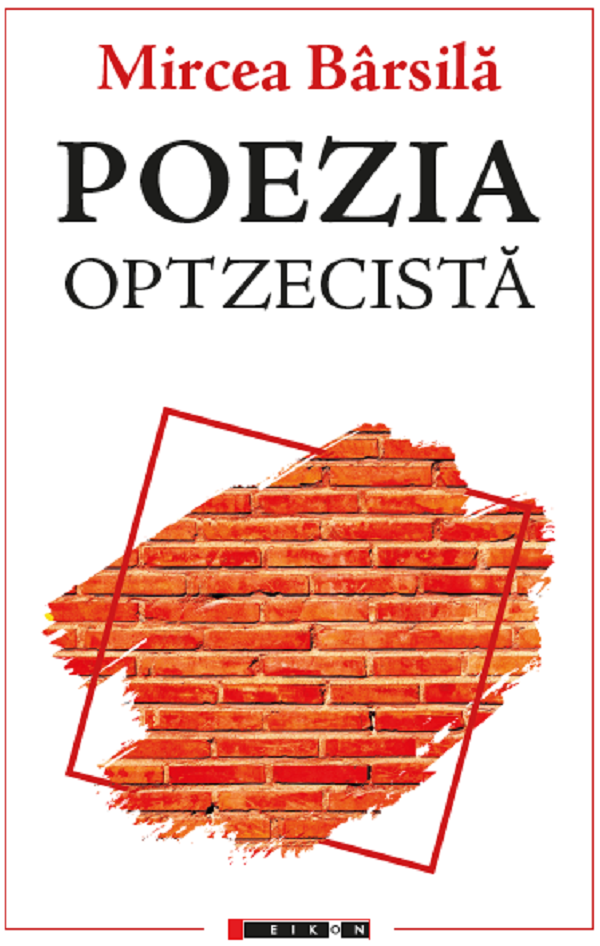
A Poetics of the Fragment
Vezi cartea A Poetics of the Fragment scrisa de Andreea Tereza Nitisor, publicata de editura INSTITUTUL EUROPEAN. Cartea a fost publicata in 2012, are 312 pagini. Pe aceasta pagina gasesti informatii despre carte, autor, editie si alte detalii utile, ca sa iti faci rapid o idee daca titlul este potrivit pentru tine. Daca vrei sa mergi mai departe, poti vedea si alte carti scrise de Andreea Tereza Nitisor. Editia, formatul si detaliile comerciale afisate pot varia in functie de partenerul extern mentionat in pagina.
Dacă te interesează această carte, mai jos găsești detalii despre autor, structură și contextul în care a fost publicată. Informațiile sunt organizate pentru a te ajuta să înțelegi rapid dacă titlul este potrivit pentru tine.
Număr de pagini
312
An apariție
2012
Dimensiune
190 x 140 x 14 mm
Ediție / format
Necartonata
Editură
INSTITUTUL EUROPEAN
ISBN
INE978-973-611-921-7
Cartea poate fi explorată prin librării partenere online, unde poți verifica disponibilitatea, condițiile de livrare și eventualele oferte active.
Pe scurt
Ideea principală: Whether a precondition of poiesis, aisthesis and noesis, an ideological assumption, an elaborate artifice, a strategy of mystification, or a destabilising constellation of causes and effects, the fragment has shaped both Western and Eastern cultures, eliciting a staggering...
Pentru cine este: cititori interesați de Stiinte Umaniste și de modul în care Andreea Nitisor tratează această temă
Ce vei găsi în carte: Cartea îți poate oferi idei și perspective legate de Stiinte Umaniste, stilul în care Andreea Nitisor își construiește explicațiile și exemplele, un conținut organizat într-un volum de 312 pagini.
Este această carte pentru tine?
Da, dacă
- vrei o carte din categoria Stiinte Umaniste
- te interesează ideile și stilul de scriere al lui Andreea Nitisor
- îți plac volumele de aproximativ 312 pagini
Poate nu, dacă
- cauți o lectură dintr-un domeniu complet diferit
- preferi un rezumat foarte scurt, nu o carte întreagă
- te interesează doar apariții foarte recente, nu ediții din 2012
Descriere și context
Whether a precondition of poiesis, aisthesis and noesis, an ideological assumption, an elaborate artifice, a strategy of mystification, or a destabilising constellation of causes and effects, the fragment has shaped both Western and Eastern cultures, eliciting a staggering diversity of artistic, philosophical, theoretical and critical responses. From the ruins, remnants, scraps, shards, and incomplete manuscripts that survived from Antiquity, through the Renaissance humanism that prompted an investigation of somatic fragments, through the French moralists and Montaignes criture fragmentaire, via the eighteenth-century novelistic ars combinatoria, from Romanticism (which shifted the emphasis on the fragment as philosophical seedling' ripe with potentialities) to modernist and postmodernist ontologies and epistemologies, the fragment has been subjected to countless revisions and reevaluations in theoretical and critical studies (themselves often fragmentary). Given the persistence and ubiquity of the fragment, the variety of types, and its proliferation in our time, it is somewhat baffling that to the best of our knowledge no methodical, inclusive and multiperspectival approach to the fragment has been published yet.
Under these circumstances, the present volume proposes a rigorous interdisciplinary and transhistorical examination of the fragment, ultimately seen as forma mentis. In addition to a critique of criticism in the field, This book offers descriptive and functional taxonomies, and the types of fragment identified are subsequently illustrated and analysed in a number of literary works and films, some of which have not been previously circumscribed to the sphere of the fragmentary (such as the pseudo-dictionary), or investigated from this perspective (The Sound and the Fury, The Shipping News, Memento). This book is addressed not only to teachers, students, and researchers of the phenomenology of this elusive and underrated genre, but also to all those intrigued or enchanted by the fragment(ary).
Despre o poetica a fragmentului s-a scris, cel mai adesea, fie fragmentar, fie restrans (la o anumita epoca, o ideologie, dintr-o anume perspectiva). Tentativele de definire si sistematizare par a fi fost mereu sub vraja lacunarului, ca si cum magia fragmentului ar fi contaminat subversiv si discursul critico-teoretic, metamorfozandu-l in metafragment. Avand in vedere persistenta si ubicuitatea fragmentului, diversitatea tipurilor de fragment (de la ruina, fragment ceramic, sculptural, de manuscris, la opera neterminata din varii motive sau deliberat fragmentara, la schita, proiect, cadru individual, parte a unui intreg sau entitate de sine statatoare etc.) si proliferarea lui in contemporaneitate, este surprinzator ca, pana in prezent, nu s-a efectuat un studiu teoretic metodic si minutios.
In aceste conditii, volumul de fata propune o riguroasa abordare interdisciplinara si transistorica a fragmentului, considerat, in ultima instanta, ca forma mentis, traversand filosofia romantica germana, literatura mai multor secole, cinematografia, artele plastice si expunerile teoretice cu privire la postmodernism, feminism si postcolonialism. Pe langa o 'critica a criticii' (o evaluare lucida a studiilor despre fragment / fragmentar publicate pana acum), A Poetics of the Fragment ofera si o taxonomie din punct de vedere descriptiv si functional. Tipurile de fragment identificate sunt ulterior ilustrate si examinate in opere literare si filme care fie nu au fost circumscrise anterior fragmentarului (de pilda, pseudo-dictionarul si jurnalul), fie nu au fost analizate din perspectiva fragmentului (Zgomotul si furia, Stiri de acasa, Memento s.a.).
Acest volum se adreseaza nu numai profesorilor, studentilor si cercetatorilor, ci si tuturor celor interesati sau fascinati de fragment(ar).
Detalii tehnice
| Autor | Andreea Nitisor |
|---|---|
| Editura | INSTITUTUL EUROPEAN |
| An | 2012 |
| Pagini | 312 |
| Dimensiune | 190 x 140 x 14 mm |
| Formatul Cartii | Necartonata |
| ISBN | INE978-973-611-921-7 |
Alte cărți care te-ar putea interesa
Păreri și recenzii
Nu există recenzii momentan. Dacă ai citit această carte, împărtășește opinia ta.
Adaugă o recenzie
LibraCarti oferă informații despre cărți și autori. Nu găzduim fișiere și nu distribuim conținut.
Întrebări frecvente despre A Poetics of the Fragment
Whether a precondition of poiesis, aisthesis and noesis, an ideological assumption, an elaborate artifice, a strategy of mystification, or a destabilising constellation of causes and effects, the fragment has shaped both Western and Eastern cultures, eliciting a staggering...
A Poetics of the Fragment este scrisă de Andreea Nitisor.
Cartea are 312 pagini, în ediția publicată în 2012.
Conform informațiilor disponibile pe această pagină, cartea a fost publicată în 2012.
Cartea este listată cu editura INSTITUTUL EUROPEAN.